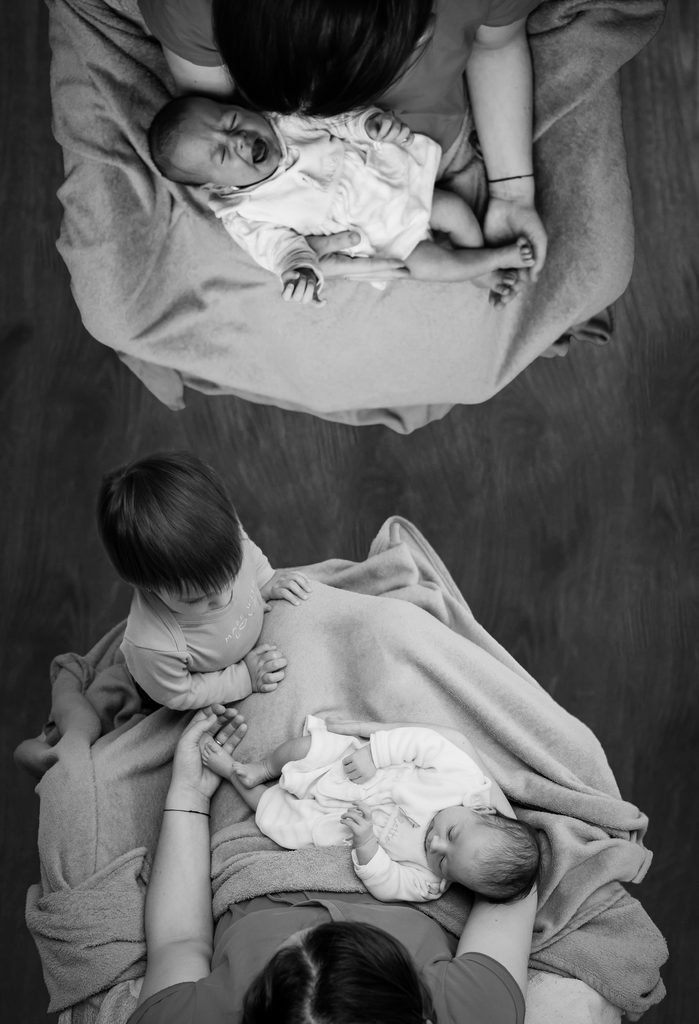
In early twenty-first century Britain, baby showers have become a common feature for pregnant people and their immediate friends and family. Increasingly elaborate ‘gender reveals’ are also popular, especially on social media. Although both originated in the United States, these celebrations have been readily adopted in Britain but they are not the first ‘ritual’ marker of pregnancy and birth. Well into the twentieth century, women from both Anglican and Catholic communities were ‘churched’ after childbirth. Meanwhile, a number of ‘old wives’ tales’ about pregnancy remain with us: have you heard the one about how, if you are pregnant with a girl, she will ‘steal your beauty’? In this strand, we seek to use some of these rituals and superstitions around pregnancy to understand what this might tell us about the changing social and cultural position of mothers, and how gender roles have been understood, contested, challenged, and reworked through the lens of pregnancy.
Key research questions include:
- How have celebrations or ritual markers of pregnancy and childbirth changed over time, and what might this tell us about the secularisation (or otherwise) of Britain?
- What might the shifting emphasis in some of these rituals from the mother to the baby tell us about how mothers and children have been ‘valued’ at different times?
- What can ‘old wives’ tales’, folklore, and superstition about pregnancy and birth tell us about changing understandings and interpretation of gender and gender roles?
- To what extent have different cultures and religions been able to practice their own ‘ritual’ celebrations around pregnancy and birth, and when and from whom have they experienced opposition?