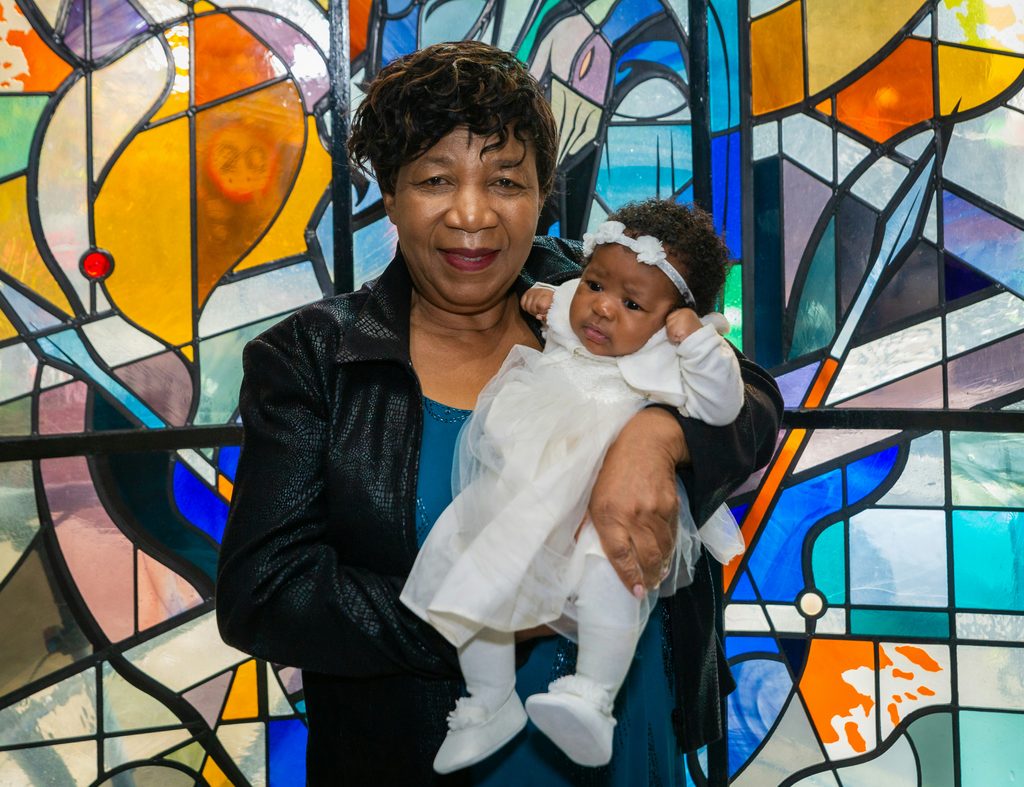
What do you call your grandmother? Gran? Grandma? Nanny? Perhaps you use a word from her first language, or maybe there’s a family ‘in joke’ which results in a cute nickname. Does she live in another country, or some distance away? Or perhaps she’s just down the road, and picked you up from school when you were young, to help your parents out with childcare? Does she fit the ‘knitting nannas’ stereotype promoted in a breakfast cereal advertisement in the UK, or would she be horrified by such a depiction of grandmotherhood? This strand of the project will explore the social and cultural history of the grandmothers in modern Britain, thinking in particular about what the idealised grandmother figure might suggest about expectations of women, aging, caregiving, and respectability at particular moments in time.
Key research questions include:
- How have relationships between children, mothers, and grandmothers shifted across the life cycle?
- To what extent have the roles and expectations of grandmothers, for example as childcare providers or advice givers, changed across twentieth century Britain and beyond?
- Who is the ‘idealised grandmother’, and to what extent has this (invented?) figure been influenced by social class, local cultures and communities, race, religion or generation?
- In what ways have grandmothers acted to police and enforce ‘family values’, respectability and/or shame, particularly around unmarried or single motherhood?