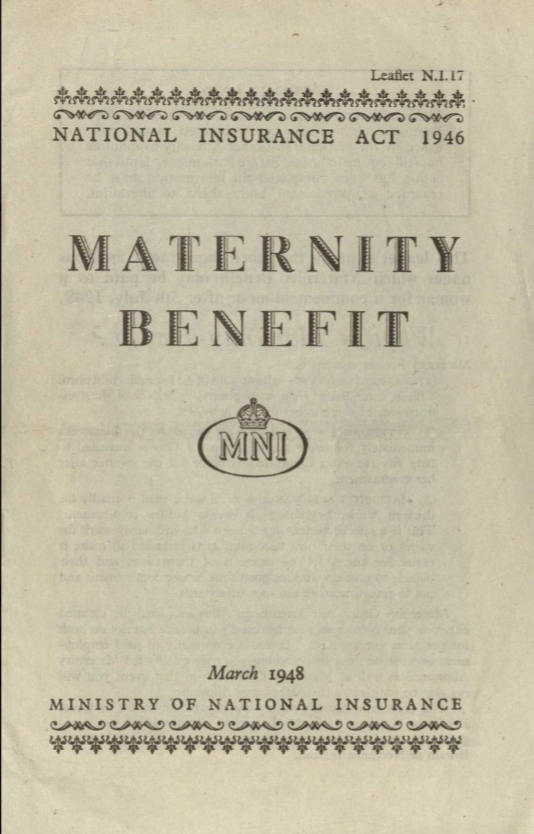
Maternity leave is provided to a birthing parent and guarantees that their job will remain open for them after paid (or at least partially paid) time off to give birth to and care for an infant. In the UK today, birthing parents have a statutory right to up to 52 weeks’ leave, although only 39 weeks are paid, no matter how long they have been employed. Throughout the twentieth century, who might have the right to maternity, paternity, and shared parental leave was often unclear. This strand of the project will therefore examine the lengthy and complex process of enshrining parental leave in law. It will also consider how its implementation has impacted on expectations on women and their relationship to paid employment.
Key research questions include:
- What was the relationship between the feminist movement and the trade union movement in early campaigns for maternity leave in the UK?
- Which demographics have been, and perhaps continue to be, excluded from maternity leave protections, and what might this suggest about who has been valued as both a ‘worker’ and a ‘mother’?
- To what extent has European legislation and campaigns around maternity leave impacted upon legislation in the UK?
- How has the introduction of paternity leave, shared parental leave, or other leave for non-birthing partners impacted upon gendered understandings of care?
- How did the introduction of maternity leave, and later its more widespread uptake, influence wider social and cultural conceptions and expectations of women and paid employment?